
Recycling & WEEE · EC1–EC4
Recycling and WEEE collection in the City of London
Dry mixed recycling, cardboard, glass and electricals collected separately from your general waste, so your business meets the Simpler Recycling rules and can show what it recycles.
- Simpler Recycling ready
- WEEE kept out of general waste
- Records for ESG reports
Trusted on site at
Including 30 St Mary Axe & Tower 42 in the Square Mile
















What we collect
Recycling streams for City workplaces
Most offices need two bins besides general waste: one for mixed dry recycling and one for food. Busier sites add cardboard and glass.
Dry mixed recycling
Paper, card, plastic bottles and pots, cans and tins in one bin. Easy for staff to use, which keeps contamination down.
Cardboard
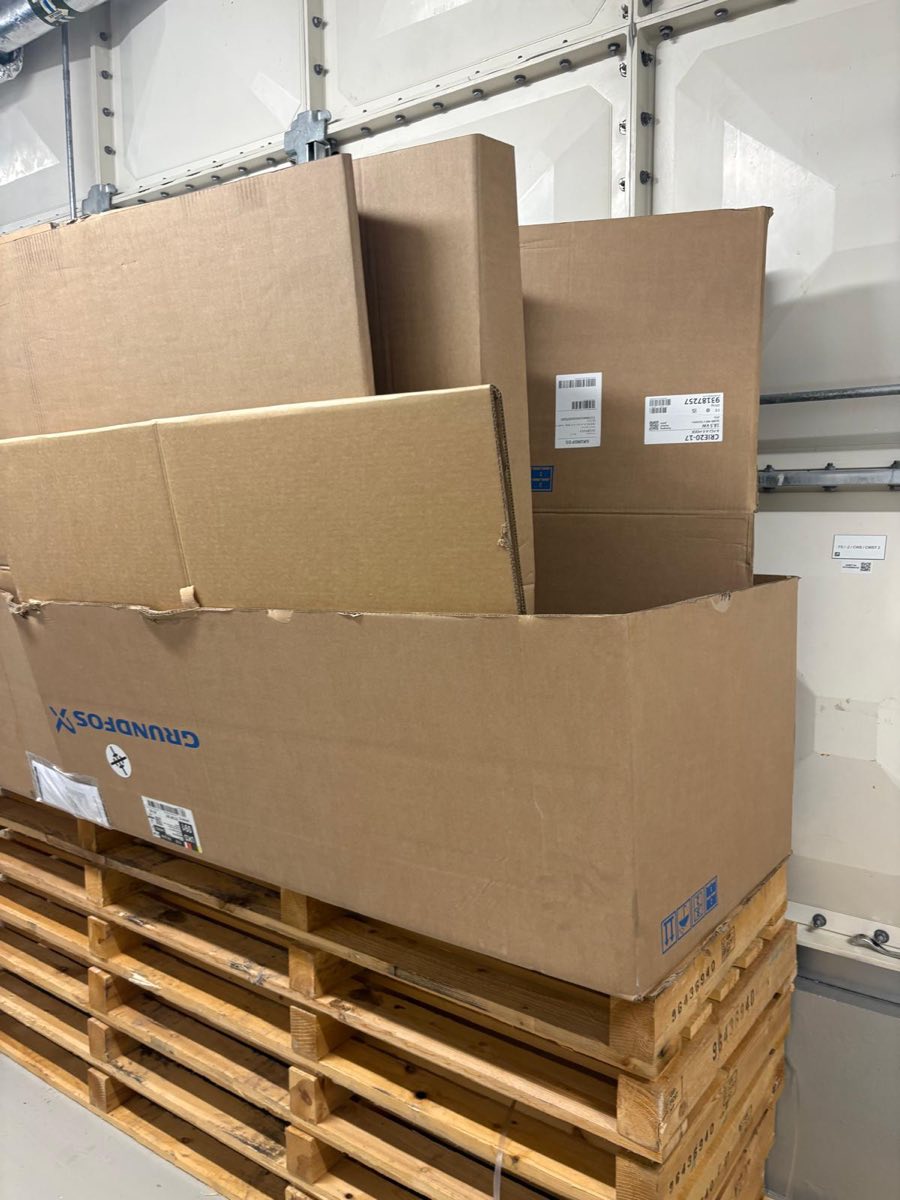
Flattened delivery boxes collected on their own when you produce a lot, or with mixed recycling when you don’t.
Glass
Bottles and jars from kitchens, bars and client events, kept separate where the volume makes it worthwhile.
WEEE and e-waste
Anything with a plug, battery or cable: monitors, laptops, phones, printers, kettles and fridges.
Simpler Recycling: what City businesses must do now
Since 31 March 2025, workplaces in England with 10 or more full-time-equivalent staff must keep dry recycling (paper and card, plastic, metal and glass) and food waste separate from general waste and have them collected separately. Micro-firms with fewer than 10 staff have until 31 March 2027.
We set up separate streams, label the bins with you and give you the paperwork to show it. Read our plain-English guide.
What the rules mean in practice
The rules cover four dry recycling materials (paper and card, plastic, metal and glass) plus food waste. For workplaces, the dry materials can be collected together in one mixed recycling bin, so most offices don’t need a bin for every material.
What you can’t do is put recyclable material or food waste in with general waste. Regulators can ask how your waste is separated and collected, so it pays to have the arrangement in writing and the bins clearly labelled.
Our Simpler Recycling guide goes through who is covered, the dates and what counts as compliant.
Electricals (WEEE)
Old IT and electricals, handled as WEEE
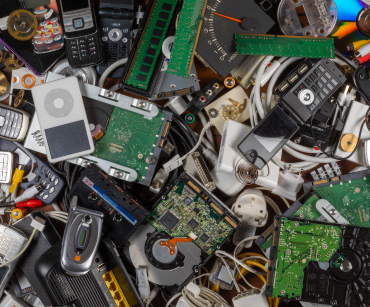
Waste electrical and electronic equipment contains metals and plastics worth recovering, and some components, such as batteries and the screens in older monitors, need specific treatment. That’s why it mustn’t go in general waste.
We collect WEEE on its own or as part of an office clearance, and record it on the waste transfer note.
- IT refreshesOld laptops, desktops, monitors and docking stations when the new kit arrives.
- Kitchen and facilitiesFridges, microwaves, water coolers, vending machines and small appliances.
- Wipe data firstWe don’t provide data destruction. Wipe or remove drives before collection, or use your IT provider’s service.
Getting it right
Small changes that make recycling work
Put bins where waste is made
A recycling bin next to every general waste bin, and a food caddy in every kitchen. If staff have to walk, they won’t.
Label clearly
Simple labels that say what goes in each bin cut contamination. We can label bins with you when collections start.
Keep the paperwork
Waste transfer notes for each stream show how your waste is separated. Keep them for at least two years.
About transfer notesHow it works
From quote to collection
Tell us what you produce
Use the quote form or call. Bags or bins, how often, and any access rules for your building.
Get a fixed price
We reply within 2 working hours with a written price per collection. If it’s complicated, we visit first.
First collection
We collect at the times that work for your building and loading bay, and separate the recycling.
Paperwork sorted
You get a waste transfer note for your records. Change frequency as your needs change.
FAQ
Questions we get asked
Does Simpler Recycling apply to my business?
If your workplace in England has 10 or more full-time-equivalent employees, it has applied since 31 March 2025. Micro-firms with fewer than 10 must comply from 31 March 2027. You need dry recycling and food waste collected separately from general waste.
Do I need a separate bin for every material?
Usually not. For workplaces, paper and card, plastic, metal and glass can be collected together as mixed dry recycling. Food waste must be kept separate.
What counts as WEEE?
Anything that needs a plug, battery or cable to work: computers, monitors, phones, printers, kitchen appliances, lighting equipment and the like.
Will you destroy the data on our old computers?
No. We collect and recycle the equipment but don’t provide data destruction. Wipe or remove drives before we collect, or have your IT provider arrange certified destruction.
Can you give us figures for our sustainability report?
You get a waste transfer note for each collection showing what was collected. Ask us when you set up collections about the recycling information you need.
Services
More commercial services
Commercial waste collection
Scheduled general waste, recycling and food waste collections for City businesses.
Find out moreCommercialOffice clearance
Furniture, IT and paper cleared from floors of any size, with WEEE and recycling handled properly.
Find out moreCommercialRestaurant & hospitality waste
Food waste, glass and general waste collected around service, not in the middle of it.
Find out moreCommercialFit-out & strip-out waste
Cat A and Cat B fit-out waste, strip-outs and builders’ waste removed by wait-and-load.
Find out moreCommercial & domesticBin store & jet washing
Bin stores, yards, alleys and loading bays jet washed. Driveways and roofs for homes.
Find out moreCommercialSite & land clearance
Fly-tipped and overgrown sites cleared and left ready for the next stage.
Find out moreFree quote
Get a recycling quote
Answer five quick questions and we’ll come back within 2 working hours with a fixed price. No call centre, no obligation.
- Fixed price, in writingWhat we quote is what you pay. No surprise surcharges.
- Paperwork done for youA waste transfer note with every collection, so your duty of care is covered.
- Recycling firstWe separate and recycle what we can and tell you how much.
Rather talk it through? 07539 482813